
Maintaining indoor air quality involves more than just capturing dust. In commercial HVAC and cleanroom systems, controlling odors and volatile organic compounds (VOCs) is equally critical. For facilities requiring a balance between high airflow and chemical adsorption, understanding the nuances of different filtration configurations is essential.
Why Design Matters in Gas-Phase Filtration
When moving air through a system, pressure drop is a primary concern for energy efficiency. Traditional deep-bed carbon trays can be heavy and restrictive, often limiting the total volume of air that can be processed.
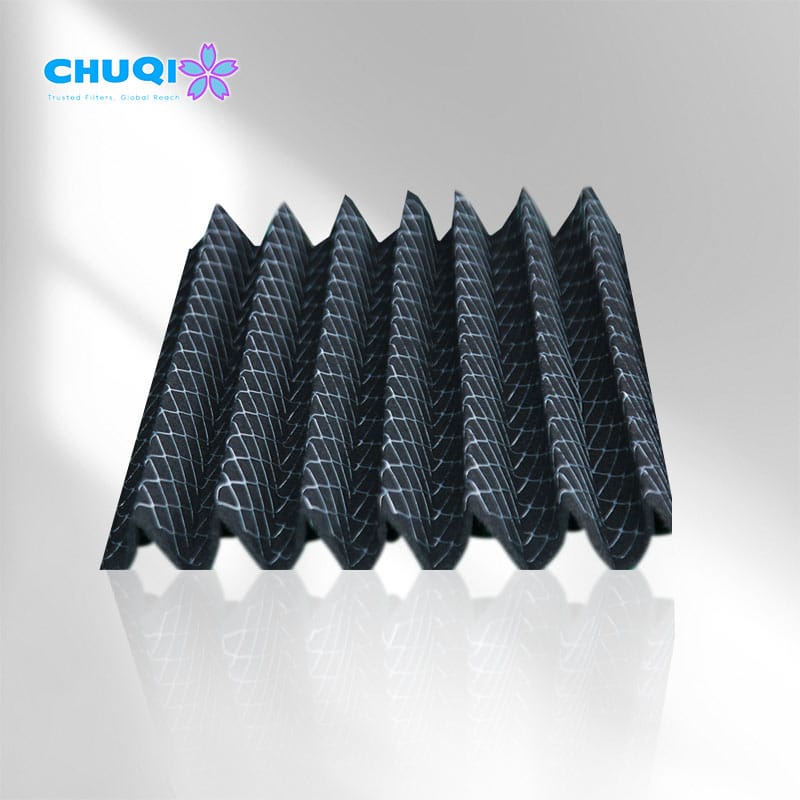
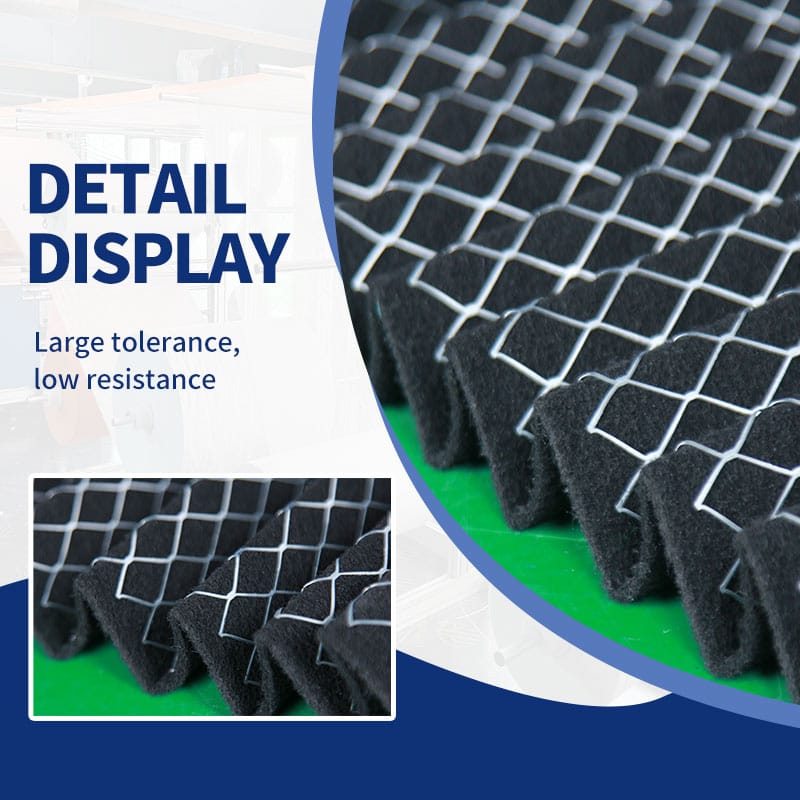
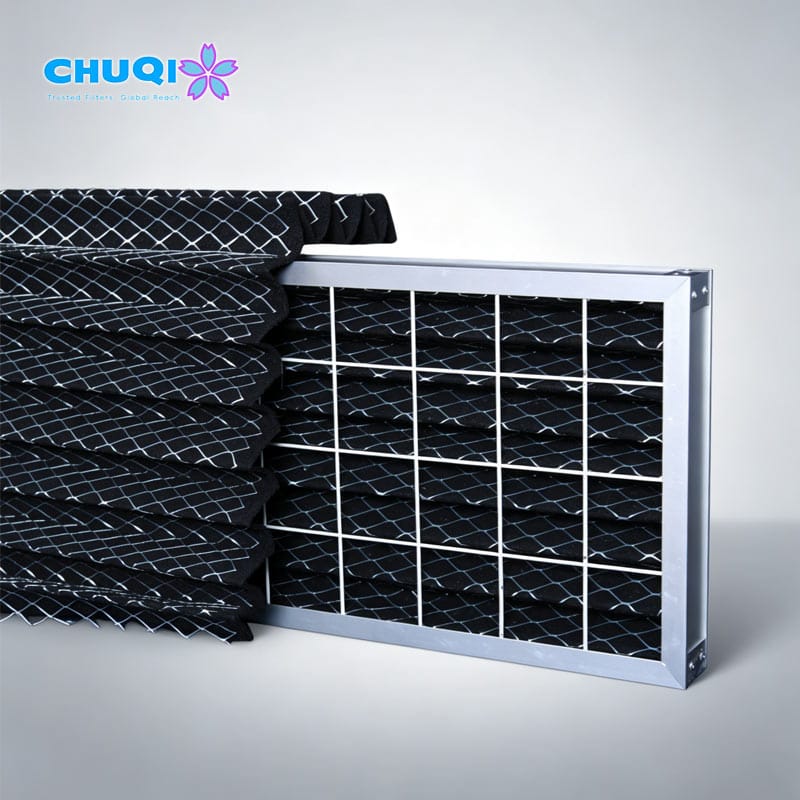
This is where the Skeleton panel filter design excels. By utilizing a rigid, highly porous support structure, this configuration maximizes the contact time between air molecules and the activated carbon filter media. This design provides a lightweight, compact alternative to bulky tray systems, making it highly effective for retrofit projects in space-constrained AHUs.
Key Selection Criteria for Your Application
When selecting the right carbon-based solution for your ventilation system, prioritize these technical factors:
Adsorption Capacity: The efficiency of your activated carbon filter media depends heavily on its surface area and pore structure. Ensure the carbon is rated for the specific gases or odors you need to remove.
Structural Integrity: The Skeleton panel filter must be built with a durable, moisture-resistant frame. A secure fit within the filter rack is mandatory to prevent air bypass, as air will always seek the path of least resistance.
Airflow Requirements: Because these filters are engineered for high-velocity environments, verify that the initial pressure drop remains within your blower motor’s operating threshold.
Strategic Application Scenarios
The versatility of the Skeleton Style Activated Carbon Filter makes it a go-to solution for various environments:
Commercial Offices & Retail: Effective at neutralizing common odors and trace VOCs from indoor finishes, cleaning products, or outside automotive exhaust.
Cleanroom Protection: Beyond particle removal, these filters act as a chemical barrier in laboratories and high-tech manufacturing, preventing outgassing from contaminating sensitive processes.
Industrial Exhaust: Used as a compact primary treatment stage to improve local air quality before air is recirculated or exhausted into the atmosphere.
Best Practices for Maintenance
Carbon-based filters function differently than standard particulate filters. Keep these tips in mind to get the most out of your installation:
Prioritize Pre-filtration: Never use an activated carbon filter as the first stage of your system. Always install a G4 (MERV 8) pre-filter upstream to prevent dust from “blinding” the carbon media, which would drastically shorten its functional life.
Humidity Control: High moisture levels (typically above 60-70% RH) can occupy the active sites on the carbon, reducing its ability to adsorb odors.
Scheduled Replacement: Since you cannot rely on pressure drop to signal that a carbon filter is “full,” develop a replacement schedule based on the known concentration of pollutants and the manufacturer’s capacity guidelines.
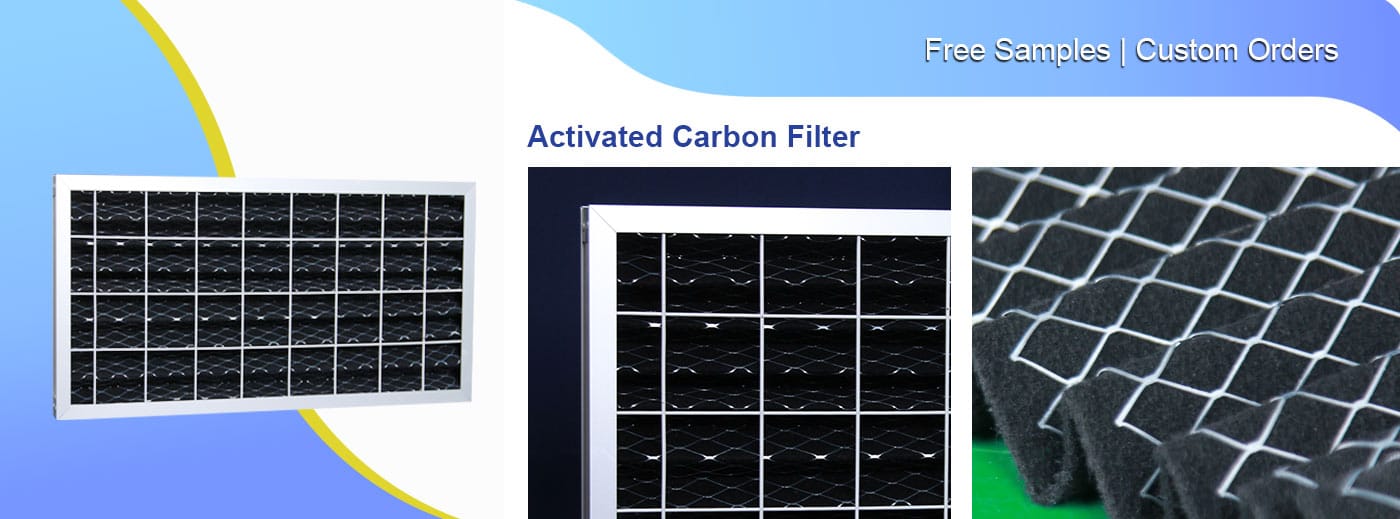
At Chuqi, we specialize in high-performance air filtration materials. Whether you need a specific Skeleton Style Activated Carbon Filter or technical advice on optimizing your current gas-phase filtration stages, our team is here to help.
We provide durable, high-efficiency solutions designed to integrate seamlessly into your global commercial or industrial projects.
Are you ready to improve your facility’s indoor air quality? [Contact the technical team at Chuqi] for a consultation on selecting the right filtration configuration for your specific environmental requirements. We offer support and logistics for projects across North America, Southeast Asia, and Europe.